You can’t make jet lag disappear, but you can cut the worst of it roughly in half with a bit of planning. The whole of China runs on a single time zone — Beijing time, UTC+8, with no daylight saving — so depending on where you fly from, you’re shifting your body clock by six to sixteen hours, almost always in the harder, eastward direction. This guide walks through what to do before you fly, on the plane, and in your first days on the ground so you spend your trip awake for the good parts, not face-down at dinner.
First, how big is the shift?
China keeps one clock nationwide (UTC+8) and doesn’t change for summer time, so the only variable is your home time zone — and whether daylight saving is in effect there. Rough differences ahead of your home clock:
| Flying from | Beijing is ahead by | Rough days to adjust | First-day priority |
|---|---|---|---|
| UK / Ireland | 7–8 hours | ~5–7 days | Get daylight, stay up to local bedtime |
| Western Europe | 6–7 hours | ~5–6 days | Get daylight, stay up to local bedtime |
| US East Coast | 12–13 hours | ~a week or more | Pre-shift; careful light timing (see below) |
| US West Coast | 15–16 hours | ~a week or more | Pre-shift; careful light timing (see below) |
| Australia (east) | Behind by 2–3 h (you go west — easier) | ~2–3 days | Minimal — just keep to local meals |
A useful rule of thumb is about one day of recovery per time zone crossed, and travelling east (toward China) is the slower direction — your body finds it easier to stretch a day than to shorten one.
Before you fly
The single most effective thing you can do happens before you leave home. For three to four nights before an eastward trip, go to bed 15–30 minutes earlier each night and get up earlier too. You won’t fully close a 12-hour gap this way, but shaving off even two or three hours means you land with less to recover.
- Shift meals earlier alongside your sleep, not just bedtime.
- Bank good sleep in the days before — arriving already exhausted makes everything worse.
- If you take any sleep aid, try it at home first, never for the first time on the plane.
On the plane
Set your watch (and your head) to Beijing time the moment you board, and start living on it. If it’s night in Beijing, try to sleep; if it’s daytime there, stay awake even if your home clock disagrees.
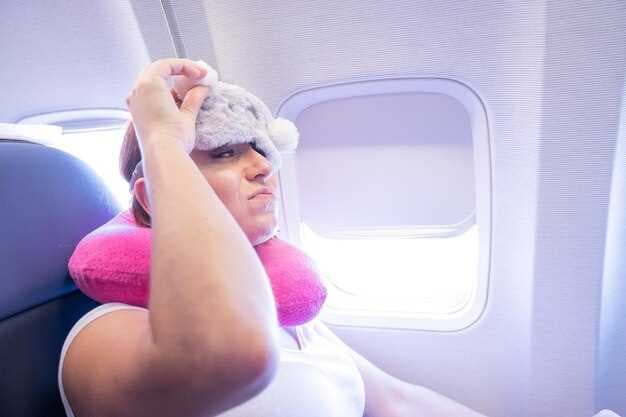
- Hydrate. Cabin air is dry, and dehydration mimics and worsens jet-lag symptoms — headaches, fatigue, fog.
- Go easy on alcohol and coffee. Both wreck the quality of in-flight sleep.
- Block out light and noise with an eye mask and earplugs when it’s Beijing night.
When you land
Light is your strongest tool, but the right timing depends on how far you have come. After a moderate eastward trip (from the UK or Europe), get into morning and early-afternoon daylight and dim the lights late in the evening — that nudges your clock forward to Beijing time. After a big eastward jump (from North America, 12+ hours) it is trickier: for the first few days, avoid bright light in the early morning and seek it in the afternoon instead, because light too early can push such a large shift the wrong way. Once you have clawed back a few hours, start moving your light exposure earlier.
If you land during the day, the hard rule is simple: stay awake until a normal local bedtime, even if you’re wrecked. A short 20–30 minute nap is fine if you’re unsafe to function, but anything longer and you’ll be wide awake at 3am. If you land in the evening, head straight for your hotel and sleep — our guide to getting from Daxing into central Beijing covers the fastest options. And if you’re only passing through on a long layover, the terminal has 24-hour rest areas and food; see whether it’s worth leaving the airport during your layover before you commit to a nap by the gate.
Melatonin and other aids
Melatonin is the most-studied jet-lag supplement, and some research suggests it can help on long crossings of five or more time zones. The evidence is mixed, though — the UK’s NHS, for one, says there is not enough of it to recommend melatonin for jet lag — so treat it as worth a try rather than a sure thing. If you do use it, timing matters most: take it at your Beijing bedtime, after dark, for the first few nights. In China it is sold as a supplement, but rules and doses vary by country, so check current regulations and talk to your doctor or pharmacist first. There is no magic pill — light, sleep timing and patience do most of the work.
How long until you feel normal?
For a short hop from Australia, a couple of days. From Europe, most people feel roughly themselves within five to seven days. From North America it can take a week or more, and the first two or three days are usually the roughest — plan a lighter schedule at the start of your trip rather than your most important meeting on day one.
FAQ
How long does jet lag last when flying to China?
Is melatonin available in China?
Should I nap as soon as I arrive?
Why is the flight home easier?
Is there a quick fix for jet lag?
Sources
General guidance verified in June 2026; not medical advice. Talk to a doctor before taking any sleep aid. This is an independent guide and is not affiliated with the airport.